How to Start Birdwatching: Best Binoculars Under $200 & a Simple Starter Kit
As an Amazon Associate I earn from qualifying purchases.
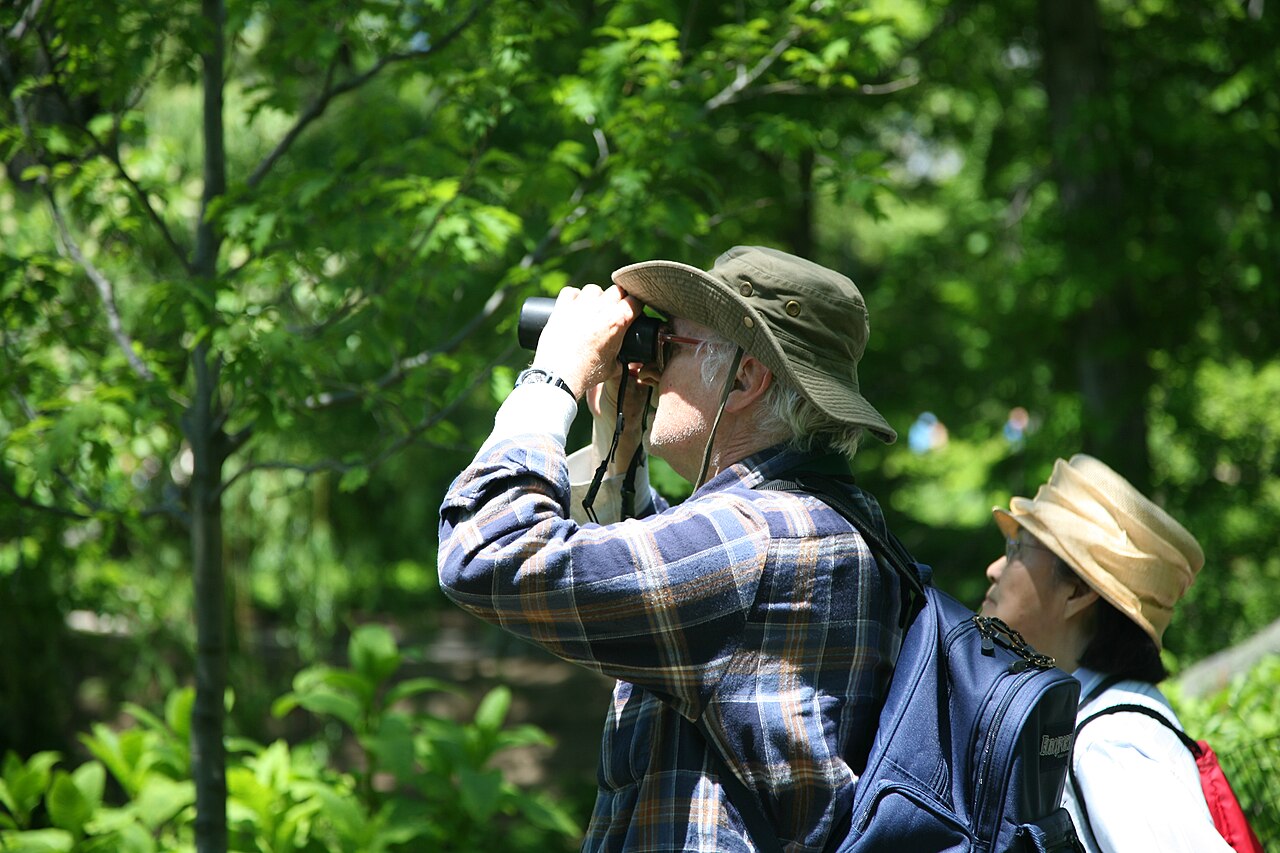
You do not need a thousand-dollar optic to start birdwatching. You need a clear, steady 8×42 binocular you will actually carry, a field guide you can use outdoors, and optionally a feeder so birds come to you while you learn.
Below: how to start in one afternoon, then honest In-Stock Amazon picks. Every pick has one “See it on Amazon” link — check today’s price and stock before you buy. Specs come from each product’s Amazon listing.
How to start birdwatching (today)
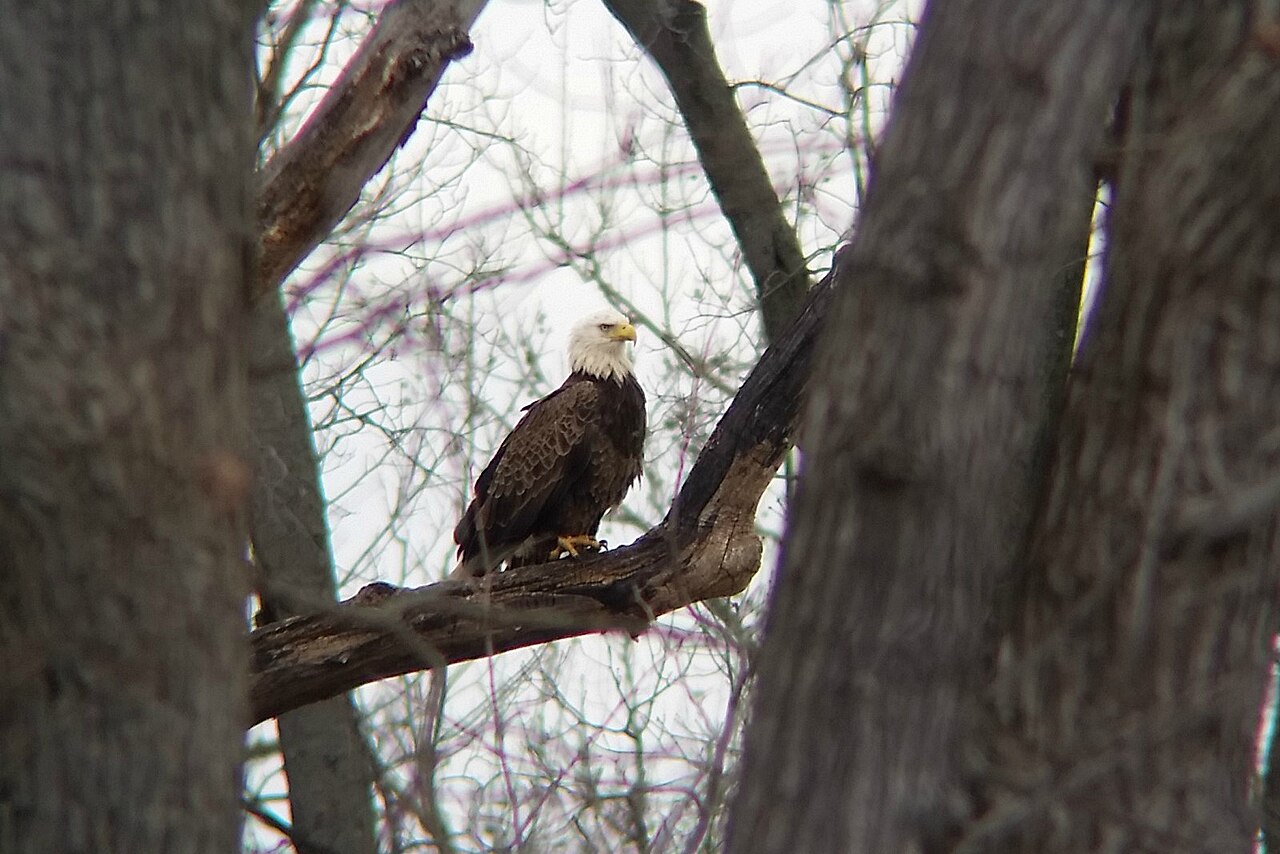
- Pick a window or a short walk. Backyard, park edge, or a quiet trail. Dawn and late afternoon are usually busier.
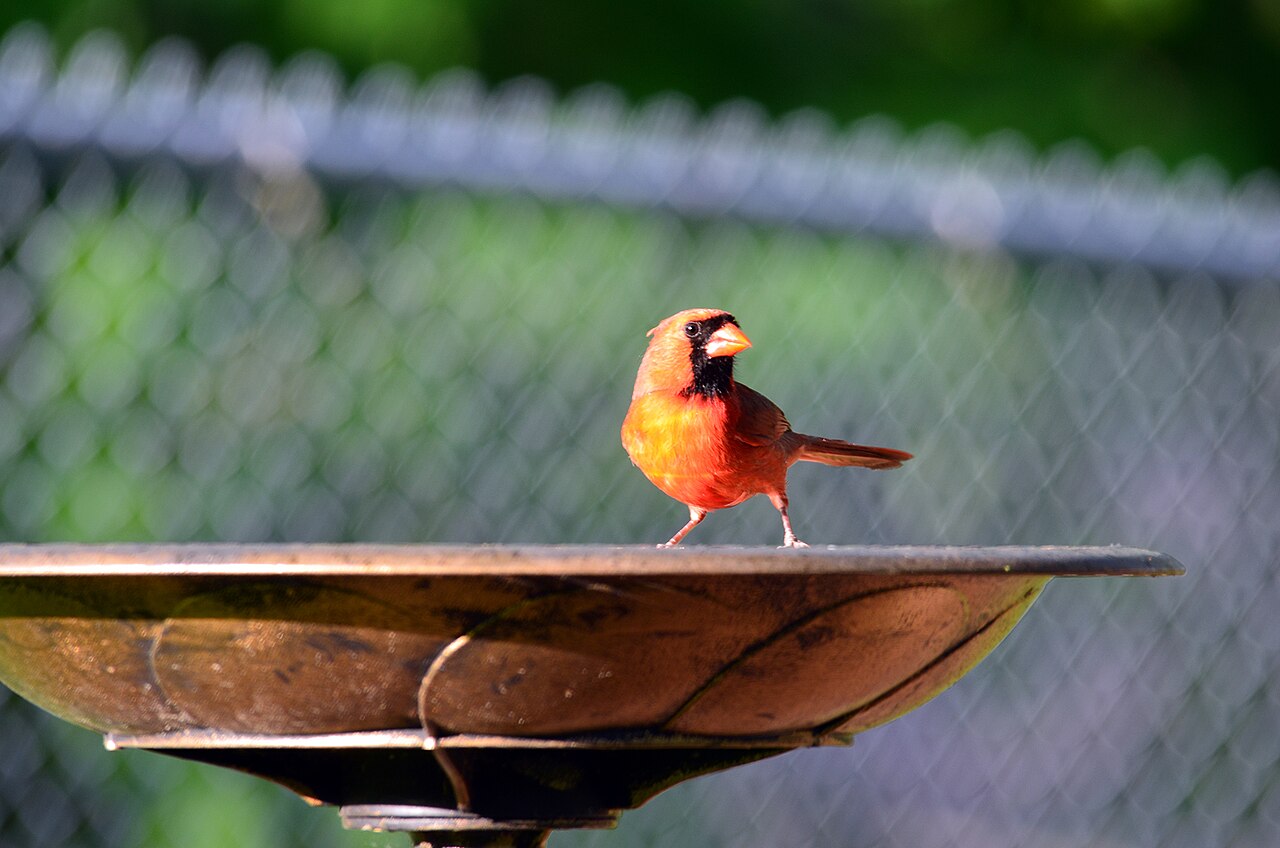
- Learn one habitat at a time. Feeder birds first, then lawn and edge, then woods or water if you have them nearby.
- Use 8×42 binoculars. 8× is steadier in the hand than 10× for most beginners; 42 mm objectives gather enough light for dawn and dusk without getting heavy.
- ID with a guide, not memory. Note size vs a robin, beak shape, color patches, and behavior — then match in a field guide.
- Log what you see. A notes app or eBird is enough. Habit beats gear upgrades.
Best binoculars for birding under $200
Full-size 8×42 models confirmed available on Amazon.com, each under $200 when we checked. Specs below come from the manufacturer listing on that product page. Check today’s price on Amazon.
1. Best overall starter — Nikon PROSTAFF P3 8×42
Official Nikon USA model. Waterproof and fogproof, multilayer-coated lenses, about 377 ft field of view at 1,000 yards (per Nikon’s listing), long eye relief for glasses. A strong beginner choice if you want a known optics brand without breaking $200.
Last checked In Stock on Amazon.com · ASIN B0B3JPP9T8 · about 4.7★ (600+ ratings). Check today’s price on Amazon.
See it on Amazon2. Bright all-rounder — Celestron Nature DX 8×42
Popular mid-budget birding binocular. Phase-coated BaK-4 prisms and fully multi-coated optics on Celestron’s listing; waterproof and fogproof. A solid alternative in the under-$200 range.
Last checked In Stock on Amazon.com · ASIN B00B73JONS · about 4.6★ (4,000+ ratings). Check today’s price on Amazon.
See it on Amazon3. Budget waterproof pick — Bushnell H2O 8×42
Built for wet weather (IPX7 waterproof / nitrogen purged per Bushnell’s listing), soft-texture grip, fully multi-coated optics with BaK-4 prisms. Good if you want to spend less and still get a weather-ready 8×42.
Last checked In Stock on Amazon.com · ASIN B0985JCXZC · about 4.6★ (280+ ratings). Check today’s price on Amazon.
See it on AmazonBirding starter kit (beyond binoculars)
Field guide — Sibley Field Guide to Birds of Eastern North America (2nd ed.)
Compact field guide covering birds east of the Rockies, with drawings and range maps. If you live west of the Rockies, get the Western edition instead — same idea, right geography.
Last checked In Stock on Amazon.com · ISBN-13 978-0307957917 · ASIN 0307957918 · about 4.7★ (3,700+ ratings). Check today’s price on Amazon.
See it on AmazonBackyard feeder — Audubon Red Barn Combo Seed Feeder (Model 6290)
Simple dual-chamber seed feeder (barn + silo) so you can put out mixed seed and optionally thistle. Hang or pole-mount. Useful while you learn common feeder birds before longer hikes.
Last checked available on Amazon · ASIN B00002N8FH · about 4.4★ (900+ ratings). Confirm seller and stock on the product page. Check today’s price on Amazon.
See it on AmazonWhat we skipped on purpose
- 10×42 as a first pair — more shake for most beginners; start at 8× unless you already know you want more magnification.
- Very cheap no-name binoculars — often dim, fragile, or poorly collimated; the Bushnell H2O above is already a low-cost waterproof floor we verified in stock.
- Invented “best of” lists — every pick above was opened on Amazon.com and confirmed sold when we checked.
Quick FAQ
Do I need ED glass under $200? Nice-to-have, not required to start. Bright, waterproof 8×42 with multi-coated optics matters more for your first season.
Phone apps vs a paper guide? Use both if you want. A paper guide works with no battery and helps you learn field marks; apps are great for songs and lists.
When should I upgrade? After you bird regularly for a season and know what bothers you (weight, low light, close focus) — not before you have used a starter pair.